
I cannot count how many times my clients come to me once the design and bid phases of a project are completed and and say “we need this project to cost half of what you are quoting me”.
I have spent much of my time on “value engineering” designs and reworking budgets to accommodate clients’ needs.
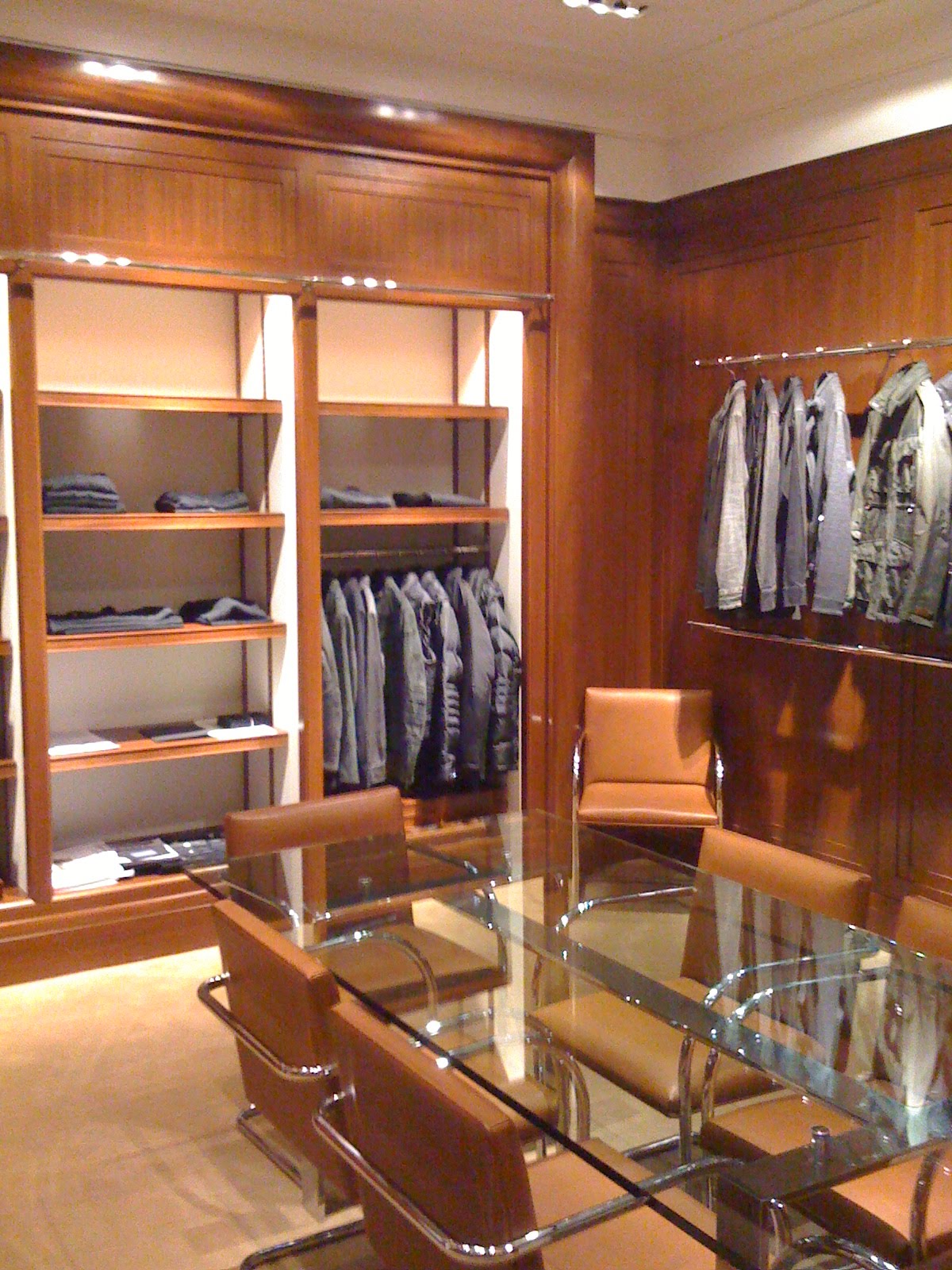
I remember my first value engineering project. It was for a major fashion company. They had a branded design for their selling rooms, but when the economy took a downturn, everyone had to make cutbacks. They could not justify spending $300 on a door knob or over $100 on cabinet pulls; thousands more for chairs, fabrics and carpets. I spent hours and hours pouring over websites, calling reps, just to find the same exact materials for a fraction of the cost. At last, I would find the door nobs for under $100, the cabinet pulls for under $20. What was the difference? A brand name. It became a game where I put both samples in front of the client, and no one could tell the difference!
When clients ask to value engineer a design, they only think of the current construction and design budget. But value engineering should start long before the planning, design and construction stages get started.
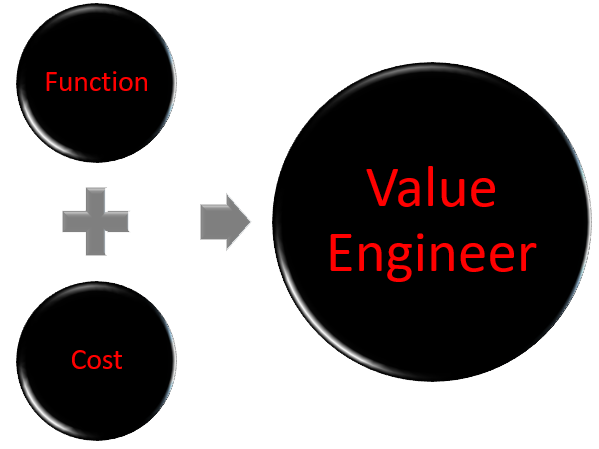
Value Engineering takes into consideration the function as well as the cost to create the optimal balance between the two. Focus only on the function and you may forget you have a budget. Focus only on the cost and you may find that your space does not work for the end users. Both will affect your overall budget whether it be right now, one month after you start using the space, or in a year.

As a designer and project manager I find that value engineering starts by understanding the needs of your client, and the end use of the space being renovated. When RED starts to work with a client, we ask alot of questions that pertain to the project, but a lot more about the users and their day to day activities. I would say our first week on a project is dedicated to researching the scope and all that goes along with that. We not only interview the person heading the project but those using it as well.
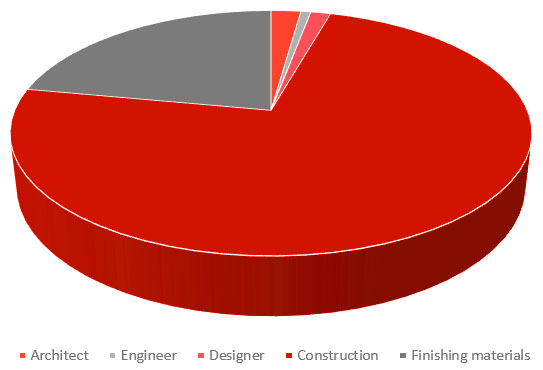
Once the full scope is understood only then can you calculate the cost. RED considers all the components; professionals like architects and engineers, contractors, permits, the materials, furniture and finishes, even the lifetime costs (ex. Clean-ability of materials used, utility costs after installation of fixtures, etc.). We ensure that along each step of the way our clients receive the best services. We work with the architects & engineers & our own designers in the “ideas” stages to make sure that the form and function take into account the cost.
The more information you have up front the less you will spend over the course of the project and the life of the space you are planning to use. By hiring a company like RED to plan out what work you need to do and the professionals you need to contact you can avoid the “foreseeable” change orders from telling your architect one thing, your designer another and your contractor a third. By planning out your budget and telling all your professionals what it is, you are not giving them the number to charge you, you are giving them the number they have to work within, understanding that the budget includes the all of the planning, design, construction, permits and materials needed for the job and trying to keep the overall budget in check.

#REDTIP 2- The key to value engineering is to engineer it from the beginning, not “RE”-engineer at the end of your planning, design and bidding phase.
 RED by Brenner